Making the most of a small balcony with plants
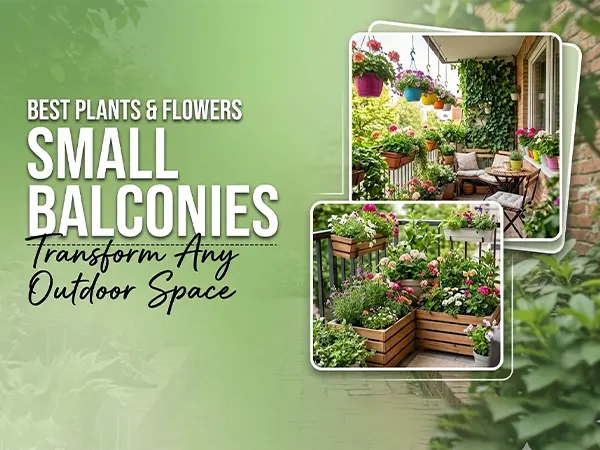
A small balcony is not a limitation — it’s an opportunity. Even a narrow ledge or a tiny four-by-six-foot terrace can be transformed into a lush, colourful retreat with the right plant choices and a bit of creative thinking. The key is working vertically as well as horizontally. Wall-mounted planters, railing hangers, tiered plant stands, and trellises dramatically increase the growing space available without taking up precious floor area. Mixing flowering plants with trailing foliage creates layers of texture and color that make a small space feel far more abundant. A well-planted balcony also provides privacy, reduces noise from the street, and creates a genuine sense of escape just outside your door.
Best flowering plants for balcony containers
Petunias are one of the top choices for balcony containers — they cascade beautifully over the edges of pots and hanging baskets, and they bloom prolifically all summer long in a wide range of colors. Geraniums are another balcony classic, tolerating heat, wind, and occasional missed waterings better than most flowers. Calibrachoa, often called million bells, produces masses of small petunia-like flowers and is ideal for hanging baskets where it spills in a dramatic curtain of color. Begonias thrive in shadier balconies where other sun-loving flowers would struggle, producing lush blooms in red, pink, orange, and white throughout the season. Verbena is a tough, heat-tolerant option that attracts butterflies and works beautifully in mixed containers alongside trailing foliage plants.
Best foliage and green plants for balconies
Not every balcony plant needs to flower — bold foliage plants add structure, texture, and a lush backdrop that makes flowering plants look even more striking. Sweet potato vine is a fast-growing trailing plant with dramatic heart-shaped leaves in chartreuse or deep purple, perfect for spilling over the edge of containers. Ornamental grasses like blue fescue add movement and a soft, airy quality to balcony arrangements. Coleus offers extraordinary leaf color — from lime green to burgundy to multicolored patterns — and thrives in partial shade. Hostas are excellent for shaded balconies, producing large, architectural leaves in various shades of green, blue, and gold. Ferns add a lush, tropical feel and do particularly well on balconies with morning sun and afternoon shade.
Choosing the right containers and soil
Container choice matters more on a balcony than anywhere else. Lightweight containers are essential — a fully saturated large terracotta pot can be extremely heavy, and most balconies have weight limits. Fibreglass, plastic, and fabric grow bags are all much lighter alternatives that still look great. Ensure every container has drainage holes — waterlogged roots are the fastest way to kill balcony plants. Use a high-quality potting mix rather than garden soil, and add perlite or coarse sand to improve drainage, especially for sun-loving flowers that prefer drier conditions. Self-watering containers are an excellent investment for balconies, as they hold a reservoir of water that plants draw from as needed — dramatically reducing how often you need to water and giving plants more consistent moisture.
Dealing with wind and direct sun on balconies
Balconies can be surprisingly harsh environments. Upper-floor balconies in particular are often exposed to strong winds that dry out soil rapidly, damage delicate flowers, and physically batter tall plants. Choose compact, wind-tolerant plants like geraniums, succulents, and lavender for exposed spots. Install a trellis along one side planted with climbing plants like clematis or black-eyed Susan vine — this creates a natural windbreak that benefits the entire balcony. Intense direct afternoon sun can scorch plants that prefer gentler conditions. A shade cloth or pergola covering over part of the balcony allows you to grow a wider range of plants by creating both sunny and shadier zones. Grouping plants together also helps — they create their own microclimate, shading each other’s roots and retaining more moisture collectively.
Easy care tips for keeping balcony plants healthy all season
Balcony plants dry out much faster than garden beds because containers have a limited soil volume and are exposed to more wind and sun. During hot summer months, daily watering is often necessary — checking soil moisture every morning takes only a minute and prevents the stress of dried-out plants. Deadhead flowering plants every few days to extend the blooming season. Fertilize container plants every one to two weeks with a liquid fertilizer since nutrients flush out with regular watering. In autumn, bring frost-sensitive plants indoors before the first freeze — many balcony plants like geraniums, begonias, and calibrachoa can overwinter successfully indoors and be returned outside the following spring. At the end of the season, clean your containers, refresh the potting mix, and plan next year’s arrangement — half the fun of balcony gardening is imagining what comes next.